
Ashfall Mobile — Post-Apocalyptic MMO Shooter: Gameplay, Classes and Cooperative Play
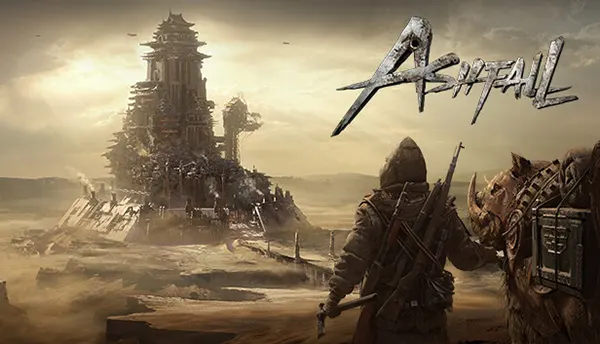
Ashfall Mobile stands out among modern mobile shooters by combining a narrative-driven post-apocalyptic setting with MMO mechanics. Developed with input from experienced industry writers and composers, the game blends exploration, combat, and social interaction into a single evolving world. As of 2026, it continues to attract attention due to its ambitious design, offering players a persistent environment where decisions, cooperation, and character builds shape long-term progression.
Core Gameplay Systems and Open World Structure
Ashfall Mobile is built around an open-world design where players travel across desolate landscapes, abandoned cities, and mutated ecosystems. Unlike linear shooters, progression is not limited to missions alone — players are encouraged to explore, gather resources, and uncover hidden story elements scattered throughout the environment.
The combat system combines real-time shooting mechanics with RPG-style character development. Weapons vary from conventional firearms to improvised gear adapted for survival conditions. Each encounter requires tactical thinking, as enemies include both hostile factions and mutated creatures with unique behaviours.
Another defining feature is environmental interaction. Weather conditions, time cycles, and dynamic events influence gameplay, forcing players to adapt. For example, sandstorms may reduce visibility, while radiation zones require specific gear, adding a strategic layer beyond simple combat.
Progression and Resource Management
Character progression in Ashfall Mobile is closely tied to resource management. Players collect materials such as scrap metal, fuel, and rare components to upgrade equipment and unlock new abilities. This system ensures that exploration remains meaningful throughout the game.
The crafting system allows players to modify weapons and gear according to their playstyle. Instead of relying solely on loot drops, players can create customised builds, improving damage output, defence, or utility functions depending on their priorities.
In addition, the economy within the game includes trading elements. Players can exchange resources or crafted items with others, reinforcing the MMO aspect and encouraging interaction between participants rather than isolated progression.
Character Classes and Tactical Roles
Ashfall Mobile introduces a class-based system designed to support varied combat approaches. Each class is defined by its core abilities, weapon specialisation, and role within a team. This structure becomes particularly important during cooperative missions and large-scale encounters.
Common roles include damage-focused fighters, support-oriented specialists, and defensive units capable of absorbing heavy attacks. These distinctions are not rigid, as players can adjust their builds through upgrades and equipment choices, allowing flexibility without losing identity.
The class system also influences how players approach solo content. Some builds prioritise survivability and endurance, while others focus on speed and precision. This diversity ensures that gameplay remains engaging across different playstyles.
Skill Trees and Customisation Options
Each class features a detailed skill tree that expands over time. Players invest points into abilities that enhance combat efficiency, unlock new tactics, or improve support capabilities. The system encourages long-term planning rather than short-term upgrades.
Customisation extends beyond skills to include gear modifications, visual adjustments, and passive bonuses. These elements allow players to refine their characters without being restricted to predefined templates.
Importantly, the game avoids forcing a single optimal build. Instead, it supports experimentation, enabling players to adapt their characters based on mission requirements or team composition, which is essential in cooperative scenarios.
Cooperative Gameplay and Multiplayer Interaction
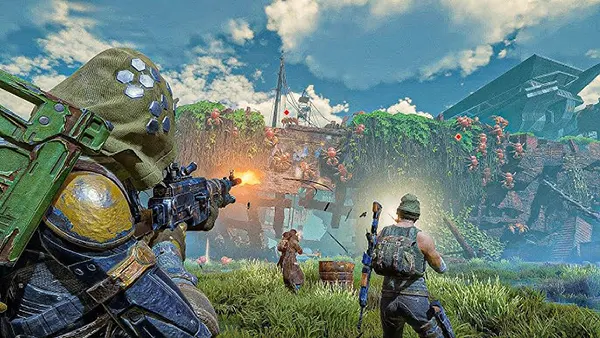
Cooperative play is a central component of Ashfall Mobile. Players can form squads to tackle missions that are difficult or inefficient to complete alone. These activities range from story-driven quests to large-scale boss encounters requiring coordination.
Team-based mechanics reward communication and strategic planning. For example, combining abilities from different classes can create synergies that significantly improve performance in combat situations. This design encourages players to understand not only their own role but also how it interacts with others.
Multiplayer hubs act as gathering points where players can organise teams, trade resources, and accept shared missions. These areas reinforce the sense of a living world rather than a collection of isolated instances.
Events, Raids and Long-Term Engagement
Regular in-game events provide additional challenges and rewards. These events often introduce limited-time objectives, encouraging players to return frequently and stay engaged with evolving content.
Raid-style missions represent the most demanding cooperative experiences. They require well-coordinated teams, proper equipment, and a clear understanding of enemy mechanics. Success in these activities often leads to high-tier rewards and progression opportunities.
Long-term engagement is supported through seasonal updates, new story chapters, and gameplay adjustments. As of 2026, the developers continue to expand the game world, ensuring that both new and returning players have access to fresh content and meaningful progression paths.