
Infinity Nikki: what the game is in 2026 and how its core systems work
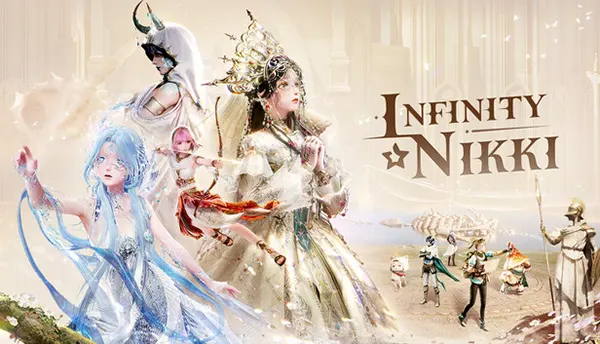
Infinity Nikki is a free-to-play open-world dress-up adventure set in Miraland. It mixes exploration, light platforming, crafting loops, and fashion-based challenges, where outfits are not only visual customisation but also a practical part of gameplay. In 2026 the title is best understood as an exploration-first game with wardrobe-building as the main progression engine.
What Infinity Nikki is in 2026: genre blend, pacing, and player goals
Infinity Nikki doesn’t follow the “combat-first” logic typical for many open-world games. The experience is structured around movement through regions, quest chains, environmental puzzles, and collecting materials and outfit pieces. Most of your “power” comes from what you wear and how you use it, not from levelling a weapon.
Progress is multi-track: story quests open new areas and activities, exploration fills your inventory with materials, and fashion systems give you reasons to revisit locations. This creates a loop where wandering is rarely wasted time, because even small detours usually feed into crafting, upgrades, or unlocking new outfit options.
For players, the realistic goal is not simply “finish the main story”, but to steadily expand their wardrobe, unlock mobility tools, and complete themed sets. If you like structured collecting and incremental upgrades, the game’s pacing will feel natural; if you want constant high-intensity action, it may feel calmer by design.
Open-world traversal: Ability Outfits, verticality, and puzzle-first design
The signature mechanic is Ability Outfits: certain outfits grant specific skills that affect how you travel and interact with the world. That can include mobility-focused abilities, special interactions with objects, or mechanics that help you access hidden routes. The wardrobe is effectively your toolkit.
Because traversal is central, the world is designed to be read like a pathfinding problem. You spot a target point, identify the obstacle, switch to the outfit that solves it, and then continue exploring. This constant “observe → choose outfit → execute” rhythm is what makes movement feel purposeful rather than cosmetic.
Many challenges are built around environment logic rather than reflex-based difficulty. In practice, it means you’ll often be rewarded for paying attention—camera angles, landmarks, audio cues, and unusual geometry can point you toward collectibles, shortcuts, or puzzle solutions.
Fashion systems that matter: styling attributes, duels, and personalisation
Infinity Nikki keeps a strong styling identity: outfits and individual pieces have attributes that matter in fashion-focused challenges. When you enter a styling contest or a duel-like format, you’re not only choosing a look you like—you’re building an outfit that fits the scoring requirements.
This turns fashion into a strategy layer. You may own many pieces you prefer visually, but specific challenges can push you to balance appearance with attributes. Over time, your wardrobe becomes more flexible: you can respond to different themes without feeling forced into one narrow style.
Personalisation is also part of the long-term appeal. As your collection grows, you can shape a consistent “signature” look while still meeting gameplay needs. The game is built to support both mindsets: purely aesthetic play and systems-driven optimisation.
Collection and monetisation: gacha pulls, currencies, and realistic expectations
Like many free-to-play games, Infinity Nikki relies on randomised draws to deliver new clothing pieces and limited sets. The practical takeaway is simple: treat the gacha as optional acceleration and cosmetics, not as the only way to progress. Most core gameplay remains accessible without spending.
Set collection is often the hidden cost: completing a full outfit usually requires multiple pieces rather than one lucky draw. That’s why it’s smarter to plan around what you actually want to wear or use, instead of chasing every limited banner that appears.
If you decide to spend resources, focus on clarity: understand what the banner offers, how long it’s available, and what your chances are to reach a “guarantee” threshold if one exists. The healthiest approach is budgeting and patience, not impulse pulling.
Activities and progression loops: what you do between story chapters
Outside the main plot, Infinity Nikki is built around calm, repeatable activities that feed progression. Gathering loops—like collecting materials in the wild and completing small local tasks—support crafting and upgrades, so exploration stays meaningful even when you’re not advancing a quest.
These systems also explain why the world feels “busy” in a good way: there are constant small interactions that top up your supplies. Over time you learn efficient routes for certain materials, which makes your play smoother when you want to craft a specific outfit or complete an upgrade requirement.
For many players in 2026, the long-term appeal is the routine: a short session can still feel productive because you can gather, refine, craft, and expand your wardrobe even without tackling big story missions.
Co-op and social play: how it changes the experience
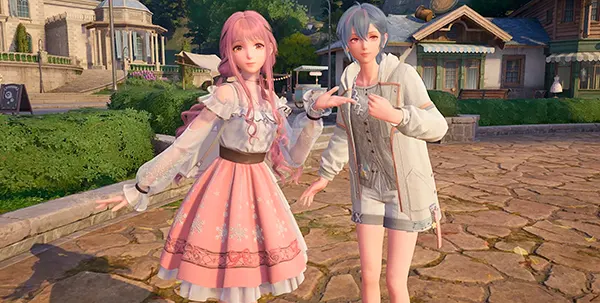
Co-op features add a social layer to exploration, letting you share the world with a friend for specific activities and joint wandering. In practice, it’s less about “beating content faster” and more about enjoying the world together—scouting paths, solving co-op-friendly puzzles, or simply taking photos and collecting materials side by side.
It’s important to keep expectations realistic: Infinity Nikki remains primarily a personal progression experience. Even when co-op is available, many parts of the story and account growth are designed to be driven by your own decisions and your own wardrobe development.
If you return after a break, it’s worth checking your in-game menus for mode availability and restrictions, because update cycles can refine which actions support co-op and which remain solo-only. That small check can save time and reduce confusion when you’re planning a session with someone else.